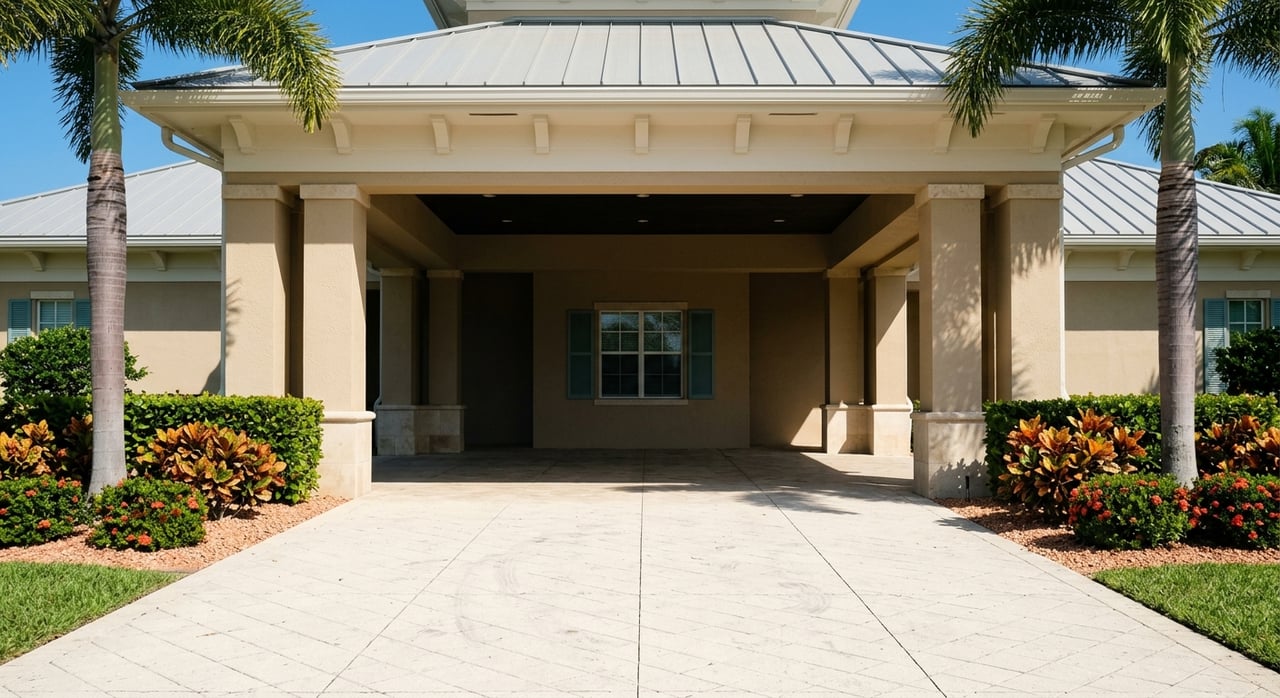
If you want a Nassau home base that makes daily life easier, The Balmoral deserves a close look. For many buyers, the challenge is finding a community that feels established, offers practical amenities, and still gives you options on how you want to live or invest. This guide walks you through what The Balmoral is, how ownership works, and what to consider before you buy so you can move forward with more confidence. Let’s dive in.
Why The Balmoral stands out
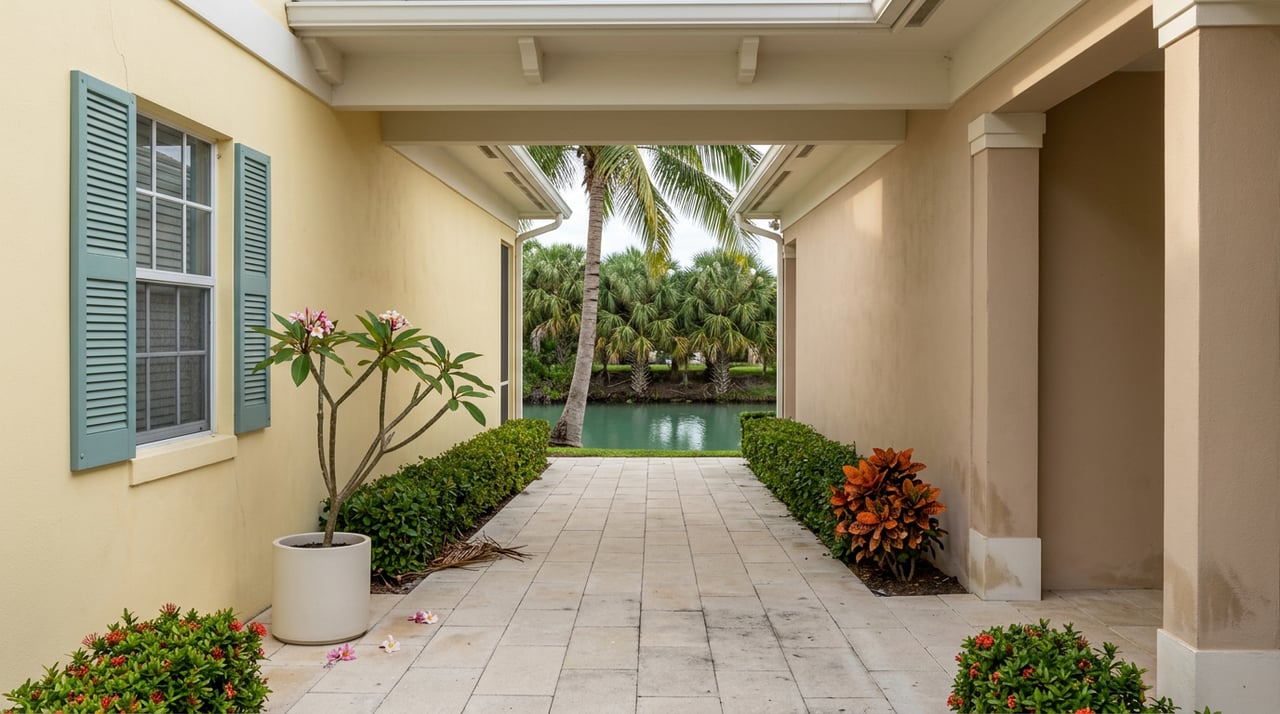
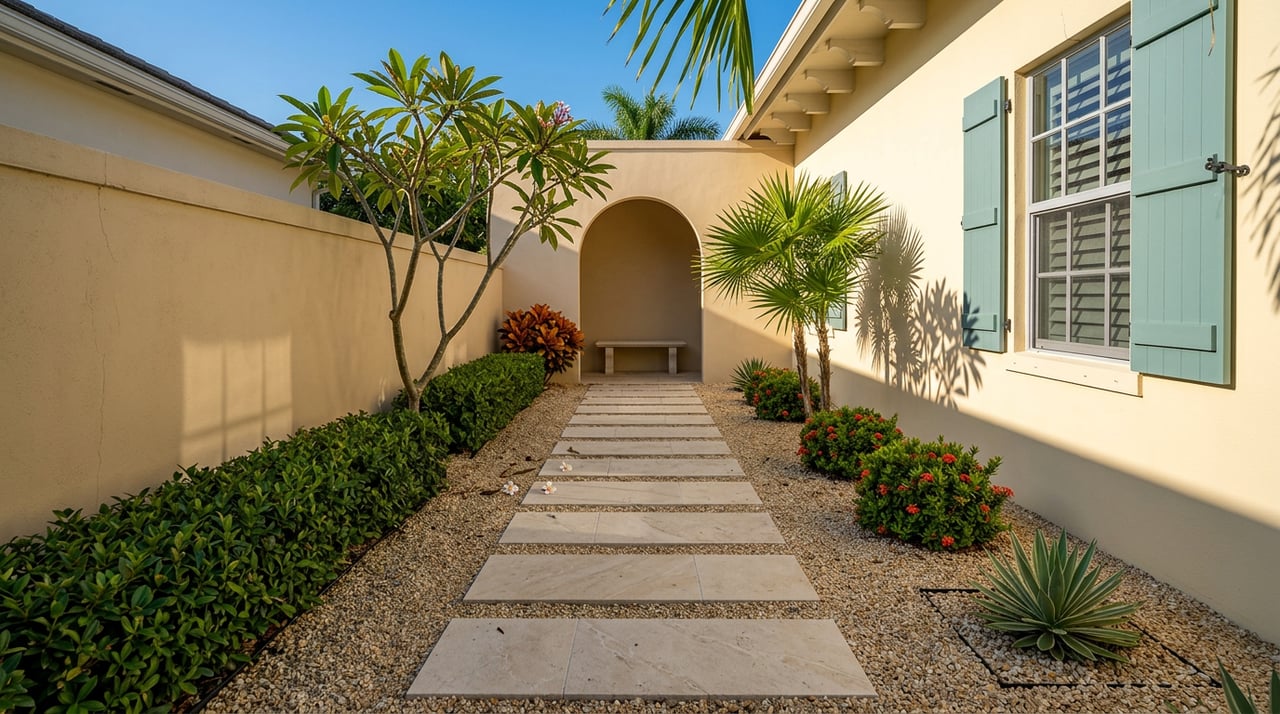
The Balmoral is an established gated residential community in Prospect Ridge, in central New Providence. According to Bond Bahamas’ Balmoral neighborhood guide, the community includes more than 100 townhomes and about 70 single- and multi-family home sites.
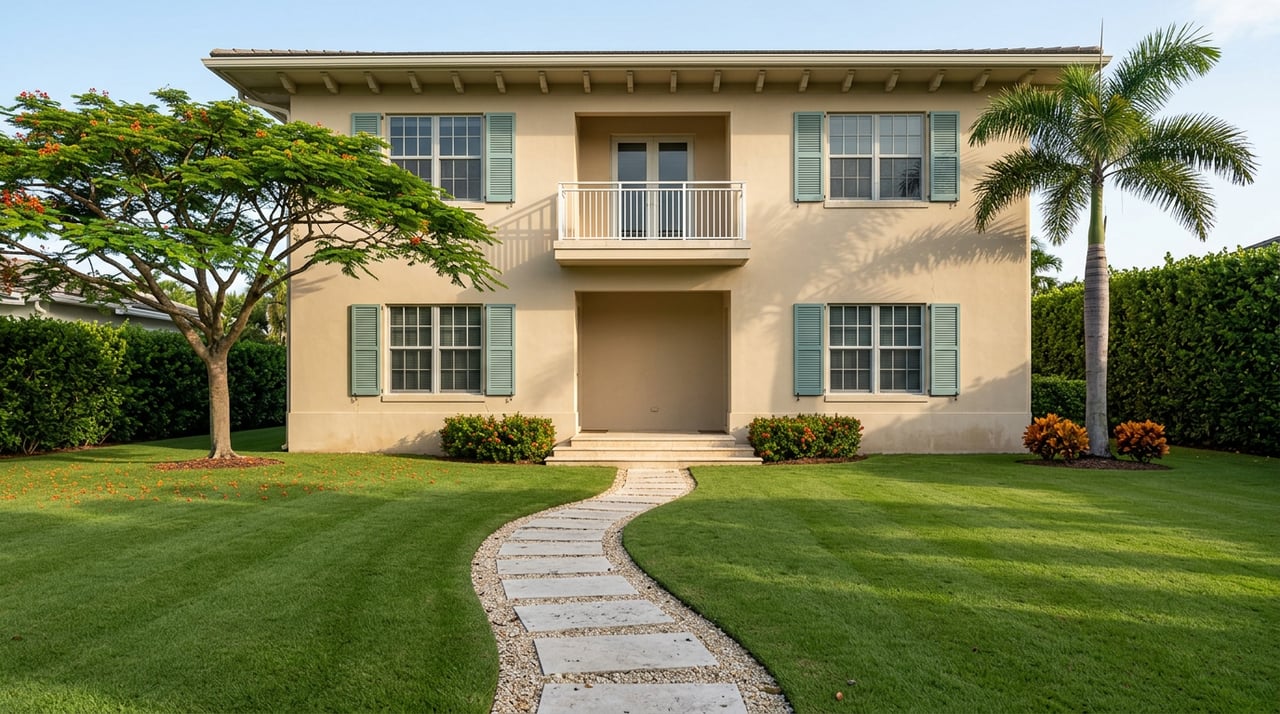
That mix is a big part of the appeal. Instead of offering just one type of property, The Balmoral gives you a choice between move-in-ready townhomes, resale homes, and lots that may suit a custom build or future project. For many buyers, that flexibility makes the community easier to match with both lifestyle and long-term plans.
Location is another key reason people consider Balmoral. The community is positioned close to downtown Nassau, shopping, restaurants, beaches, medical care, and Lynden Pindling International Airport, which can make everyday errands and commuting more manageable.
Balmoral lifestyle and location
Balmoral is often described as one of Nassau’s more convenient gated communities. In Bond’s local Balmoral overview, the focus is less about a resort-style setting and more about centrality, established housing stock, and a layout that works well for full-time residents.
If your days involve downtown meetings, airport runs, or regular trips to banks, clinics, and supermarkets, that central location can matter a lot. The same guide notes that New Providence commutes are time-sensitive, so being closer to routine destinations can reduce friction in daily life.
For many residents, the appeal is simple: you can live in a gated community without feeling far removed from the practical parts of Nassau life. That makes Balmoral especially relevant if you value routine, accessibility, and a lower-maintenance base.
Property types in The Balmoral
Townhomes
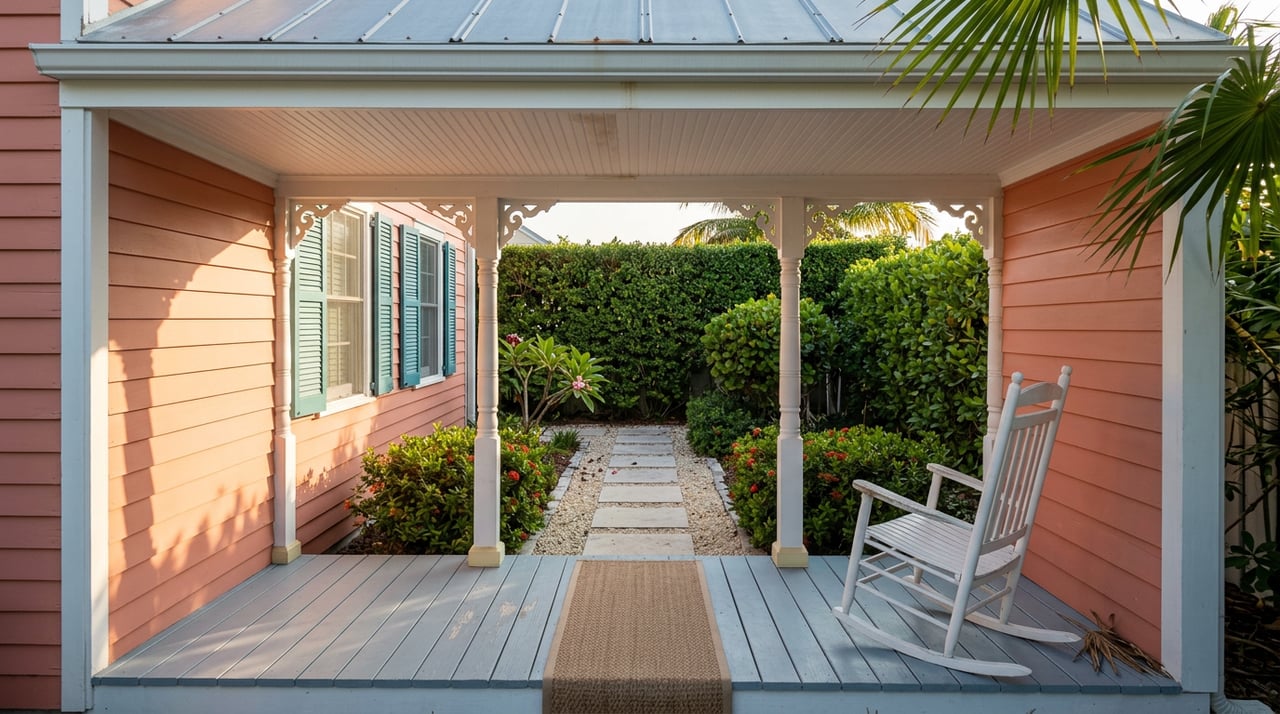
Townhomes are the most visible housing type in the community. The official Balmoral brochure describes contemporary three-bedroom, 2.5-bath townhomes with open living areas and an optional rooftop terrace, while current listings also show townhouse-style units in the two- to three-bedroom range.
If you want something more turnkey, a townhome may be the clearest starting point. These properties can appeal to buyers who prefer a more straightforward ownership experience and want to focus on location and convenience rather than a major design or construction process.
Home sites and resale homes
The Balmoral also includes single-family and multi-family home sites. The brochure notes that owners of single-family sites can work with architects, builders, and designers, while Bond’s neighborhood page shows that some opportunities may be vacant lots and others may already include houses or duplex-style structures.
That creates a different kind of opportunity. If you want more control over layout, finishes, or long-term use, a lot or more customizable property may be worth exploring. At the same time, buyers planning to build or renovate should confirm architectural rules, setbacks, height limits, and rental permissions before closing.
Amenities for daily living
Amenities at The Balmoral are designed to support everyday use, not just occasional leisure. The current community information highlights first-class club facilities, a restaurant, full-time security, tennis courts, and a gourmet market, while historical brochure materials add a clubhouse or lounge, café and bar, swimming pool, gym, executive boardroom, billiards room, landscaped gardens, event lawn, and children’s playground.
A current listing also mentions an on-site convenience store, which adds to the community’s self-contained feel. For busy households, that kind of practical access can be just as valuable as larger lifestyle features.
In real terms, this means you may be able to handle more of your week without leaving the neighborhood for every small need. It also supports the kind of routine many resident owners want: work, errands, recreation, and downtime all within a relatively easy setting.
Security and everyday logistics
For many buyers, gated living is about both structure and peace of mind. Bond’s Balmoral guide says the community uses controlled gate access and community oversight, and it recommends that buyers verify patrol schedules, CCTV coverage, lighting, and visitor procedures directly with management.
That is smart advice for any gated community purchase. Instead of assuming every system operates the way you expect, ask detailed questions so you understand how entry, guests, deliveries, and after-hours access are handled.
You should also ask about parking and guest rules. The same guide notes that most residents rely on private vehicles because public transport is limited on New Providence, so vehicle access and day-to-day traffic patterns should be part of your decision-making.
What daily life may feel like
The Balmoral is presented as low-maintenance and routine-friendly. According to Bond’s local guide, weekdays are usually quiet, while club and pool areas tend to get busier after work and on weekends.
That rhythm may suit you if you want a residential setting that feels active but not overly hectic. It can also help to ask how your own schedule fits the location, especially if school drop-offs, childcare logistics, or peak-hour traffic are part of your week.
The main takeaway is that Balmoral tends to attract interest from buyers who want practical living in a managed environment. It is less about spectacle and more about ease of use.
Buying in The Bahamas: key rules
If you are buying in Balmoral, it helps to understand the broader ownership framework in The Bahamas. Under the International Persons Landholding Act, non-Bahamians who buy a condominium or owner-occupied property generally register the acquisition rather than obtain a permit, while a permit is required for acquisitions outside that category.
The same Act states that non-Bahamians pay the same stamp duty as Bahamians. It also says that a non-Bahamian who owns a home in The Bahamas may apply for an annual homeowner resident card.
These details matter because the right process depends on what you are buying and how you plan to use it. Before closing, confirm whether your purchase is owner-occupied, rental, a lot, or another structure that may affect the registration or permit path.
Real property tax basics
Real property tax is an ongoing cost you should factor into ownership. According to the Inland Revenue real property tax FAQ, tax is due by March 31 each year, a 10% discount is available if the bill is paid in full by March 31, and a 5% surcharge applies if it remains unpaid after December 31 of the tax year.
The tax framework also varies by use type. Inland Revenue states that owner-occupied homes are exempt on the first $300,000, then taxed at 0.625% on the next $200,000 and 1% above $500,000.
The same FAQ says residential properties with four units or fewer are taxed at $300 up to $75,000 and 0.625% above that, while commercial or foreign-owned rental properties use a different bracket structure. Vacant land owned by foreigners has its own formula, which is especially relevant in a community like Balmoral where home sites are part of the inventory mix.
First-time buyer relief in The Bahamas
If you are a Bahamian first-time buyer, there may be tax relief worth reviewing. Inland Revenue says the First Home Owners Stamp Exemption can provide VAT duty relief on conveyance and mortgage instruments for a first-time dwelling home.
That relief is tied to Bahamian citizenship and value thresholds, so it is important to confirm current eligibility before you rely on it in your budget. Even if you qualify, you should still review your full closing and ownership costs carefully.
For Balmoral buyers, the practical point is simple: the purchase price is only part of the story. You should also look at tax treatment, use type, and any relief or registration steps that may apply to your situation.
Questions to ask before you buy
Before you move ahead on a Balmoral purchase, make sure you have clear answers to the basics. A few focused questions can help you avoid surprises later.
- Is the property a townhome, resale home, duplex-style property, or vacant lot?
- If it is a lot or renovation project, what architectural rules, setbacks, and height limits apply?
- Are there any restrictions or permissions related to rental use?
- What are the current security procedures for residents and guests?
- How do parking, visitor access, and peak-hour traffic affect daily use?
- What will your real property tax likely look like based on intended use?
- If you are a non-Bahamian, is registration sufficient or is a permit required?
- If you are a Bahamian first-time buyer, do you qualify for first-home relief?
How Balmoral compares in Nassau
When buyers compare Nassau gated communities, Balmoral fills a distinct role. Based on how Bond describes several communities, Albany is positioned as an oceanside luxury resort community with features like a golf course and marina, while Lyford Cay and Old Fort Bay are framed around exclusivity and prestige.
Balmoral, by contrast, is positioned around convenience and centrality. That does not make it lesser. It simply means the value proposition is different.
If you want a home base that supports daily movement across New Providence, established housing stock, and a mix of property types, Balmoral may be a more practical fit than a larger resort-oriented setting. For many buyers, that balance is exactly the point.
How Bond Bahamas supports ownership
Buying is only one stage of the ownership journey. According to the Bond Bahamas website, the company publicly markets residential sales, rentals, and property management, and its Balmoral guide also points readers toward brokerage guidance, rental management, and maintenance support.
Bond’s broader platform also includes an instant home valuation tool and publishes seller and renovation guidance, which supports owners beyond the initial transaction. That can be useful if your plans change over time and you eventually want to lease, improve, or resell your property.
If you are considering The Balmoral, working with a team that understands both the neighborhood and the full ownership lifecycle can help simplify the process. To explore available opportunities and get guidance tailored to your goals, connect with Bond Bahamas.
FAQs
What types of properties are available in The Balmoral, Nassau?
- The Balmoral includes townhomes, resale homes, and single- or multi-family home sites, giving you options for move-in-ready living or a more customizable purchase.
What amenities are available to residents in The Balmoral?
- Community materials highlight club facilities, a restaurant, full-time security, tennis courts, a gourmet market, and additional features such as a pool, gym, lounge areas, and landscaped outdoor spaces.
What should non-Bahamian buyers know about buying property in The Balmoral?
- Under the International Persons Landholding Act, non-Bahamians who buy a condominium or owner-occupied property generally register the acquisition rather than obtain a permit, but other acquisitions may require a permit.
How does real property tax work for Balmoral homeowners?
- Real property tax depends on how the property is used, and Inland Revenue says taxes are due by March 31 each year, with a discount for paying in full by that date and a surcharge for late unpaid taxes after December 31.
Why do buyers choose The Balmoral over other gated communities in Nassau?
- Many buyers are drawn to Balmoral for its central New Providence location, established housing mix, gated setting, and convenience-oriented lifestyle rather than a resort-focused environment.